




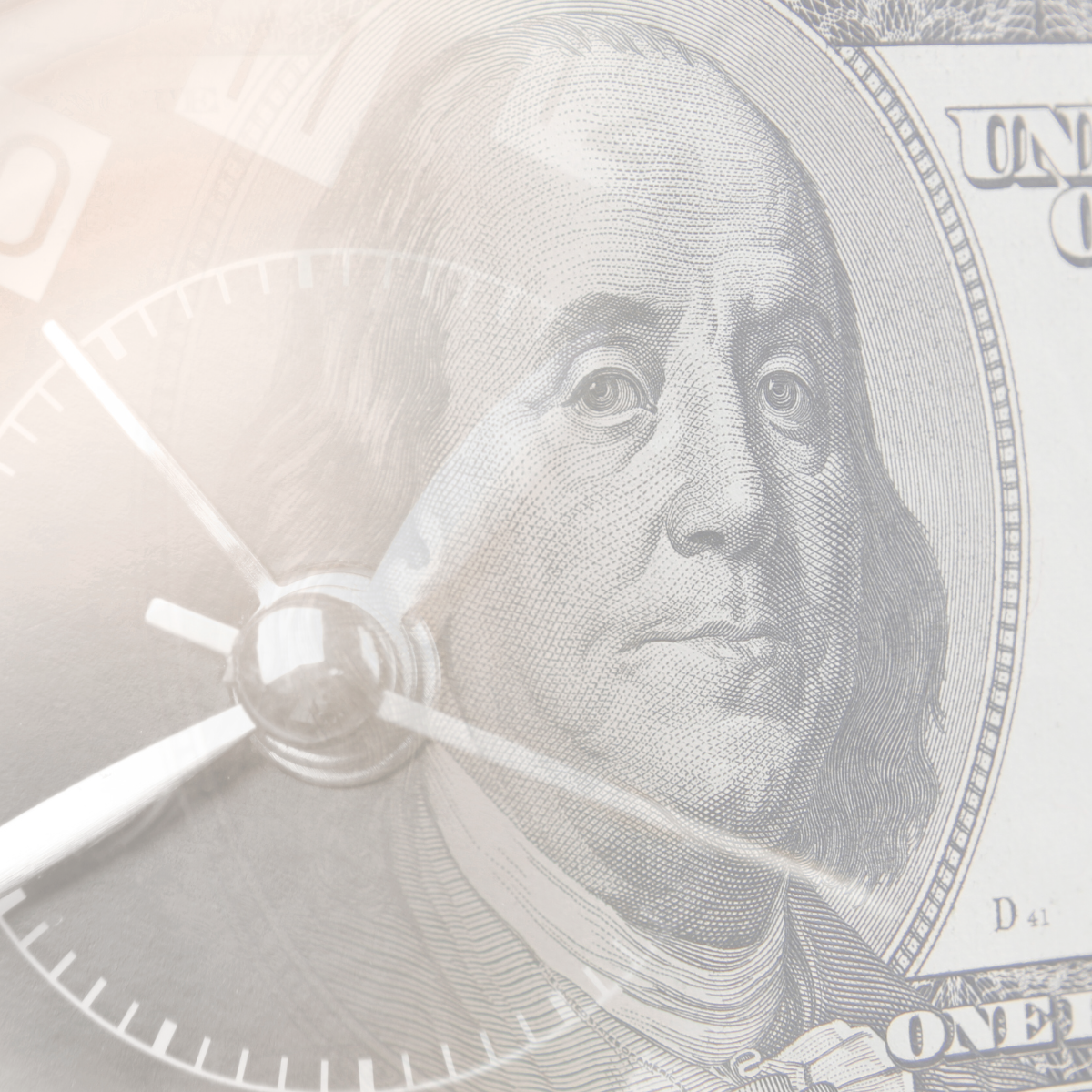
The Wealth of Time
I used to think that wealth was only about how much money someone had and what they did or bought with that money.
Success looked like numbers, achievements, and outward proof that you were doing well. And while financial stability and growth absolutely matter, as I’ve grown as an individual, my understanding of wealth has expanded too. More and more, I’ve come to realize that time itself is one of the truest forms of wealth.
Time to spend with family.
Time to start a new business.
Time to spend with my dogs.
Time to spend with my son who is due in January, and time with my husband.
Time to travel.
Time to read, grow, and expand my mindset and my knowledge.
Time to learn. Time to grow — like I said.
The older I get, the more I see that wealth isn’t just about accumulation. It’s about access. Access to moments. Access to flexibility. Access to choice.
When Time Becomes the Measure
The wealth of time doesn’t only come from how much time we technically have — it comes from how we’re able to use it, and just as importantly, how we feel while we’re using it.
It’s shaped by how we manage our responsibilities, how we structure our work, and how we balance the many roles we hold in life. But it also comes from determination — from building something stable enough that we don’t constantly feel like time is slipping through our fingers or being borrowed against our future.
For me, that means working hard and intentionally so I can make enough money to be comfortable, to invest, and to create flexibility — not just financially, but mentally and emotionally too. Because the freedom to step away without guilt doesn’t happen by accident. It’s built.
And here’s the thing: I love working. I love business. I love building, planning, learning, and growing. But I also love having time — real, present time — for the parts of life that don’t produce anything measurable.
Time to plan for my son’s birth without feeling rushed or pressured.
Time to walk my dogs and actually look up at the trees swaying in the breeze while they sniff and explore wherever they want.
Time to read and expand my knowledge, then share what I’ve learned with people around me.
Time to go to Costco with my husband, wander the aisles, look at new products, and try all the free samples — sometimes more than once (lol).
All of that without watching the clock, and without the quiet guilt that says I should be doing something else.
Productivity That Creates Space — Not Pressure
For many people with full, successful lives, the challenge isn’t motivation. It’s capacity. It’s carrying a lot at all times — mentally, emotionally, and logistically.
That’s why I don’t think effective time management is about squeezing more into the day. It’s about being intentional enough with your work that it creates space elsewhere.
Being productive doesn’t mean being busy from morning to night. It means focusing when it matters, protecting your energy, and working in a way that allows you to fully step into other parts of your life when it’s time to do so.
That might look like:
Prioritizing your most important work instead of reacting to everything
Setting boundaries around when you work — and when you don’t
Letting “enough” be enough instead of chasing perfection
Giving yourself permission to rest without earning it first
Because the goal isn’t to work less just for the sake of it. The goal is to work well, so that when you step away, you can actually be present.
Releasing the Guilt Around Time Well Spent
One of the biggest shifts for me has been releasing the idea that rest, joy, and stillness need justification.
Time spent walking slowly, reading, connecting, preparing for a new chapter, or simply being — that isn’t wasted time. It’s not unproductive. It’s foundational.
The wealth of time is felt most deeply when we stop measuring our worth by output alone and start valuing how our lives actually feel. Especially during seasons like this — as the year comes to a close, the holidays approach, and life naturally asks us to slow down.
A Different Definition of Wealth
Wealth can be money, yes.
But it’s also time.
And presence.
And flexibility.
And the ability to choose how your days unfold.
As we move toward the end of the year, I hope this feels like permission — to redefine wealth for yourself, to honor the life you’re building, and to recognize that the moments that matter most often aren’t the ones you schedule tightly, but the ones you allow yourself to fully experience.
Because in the end, the wealth of time isn’t about doing more.
It’s about being here for what you’ve already built.
Check out this article next